
Quick answer
A.TR shows that goods are in free circulation in the Türkiye–EU Customs Union; it is not a certificate of origin. Industrial goods and processed agricultural goods go to the EU with A.TR. Basic agricultural products and ECSC coal and steel products are outside the Customs Union and need EUR.1 or an invoice declaration. An invoice declaration can be made by any exporter up to €6,000 and above that only by an approved exporter. For free trade agreement countries the document depends on the agreement; where there is no preferential agreement, a certificate of origin gives no duty preference and is issued only if the importer asks for it.
Last updated: 29 October 2026
Which document, when?
| Destination and product | Document | Why |
|---|---|---|
| EU, industrial goods (HS chapters 25–97, except ECSC) | A.TR | Customs Union: free circulation, no duty. |
| EU, processed agricultural goods (chocolate, pasta, biscuits…) | A.TR | These are inside the Customs Union. |
| EU, basic agricultural products (HS 01–24) | EUR.1 | Agriculture is covered by a separate preferential agreement. |
| EU, coal and steel (HS 2701–2704 and chapter 72) | EUR.1 or invoice declaration | ECSC products are outside the Customs Union. |
| EU, HS 7301–7306 | EUR.1 or A.TR | Partly ECSC: check the exact HS code. |
| Free trade agreement country | Agreement's proof of origin | EUR.1, EUR-MED or an origin declaration, depending on the agreement. |
| No preferential agreement | Certificate of origin (if asked) | Gives no duty preference; not mandatory for export. |
| Israel | — | Türkiye stopped all exports and imports on 2 May 2024. |
A.TR is not a certificate of origin
A.TR proves free circulation inside the Customs Union, wherever the goods were originally made. That is why a product made in a third country, cleared in Türkiye and re-exported to the EU can still travel with A.TR. EUR.1 and the invoice declaration, by contrast, prove preferential origin under an agreement.
Invoice declaration: the €6,000 rule
- Up to €6,000 of originating goods per shipment: any exporter may write the origin declaration on the invoice instead of an EUR.1.
- Above €6,000: only an approved exporter may do so; everyone else needs an EUR.1.
Türkiye's free trade agreements
On 29 October 2026 the Trade Ministry listed 24 agreements in force. Their partners:
 Albania
 Bosnia & Herzegovina
 Chile
 Egypt
 Faroe Islands
 Georgia
 Iceland
 Kosovo
 Liechtenstein
 Malaysia
 Mauritius
 Moldova
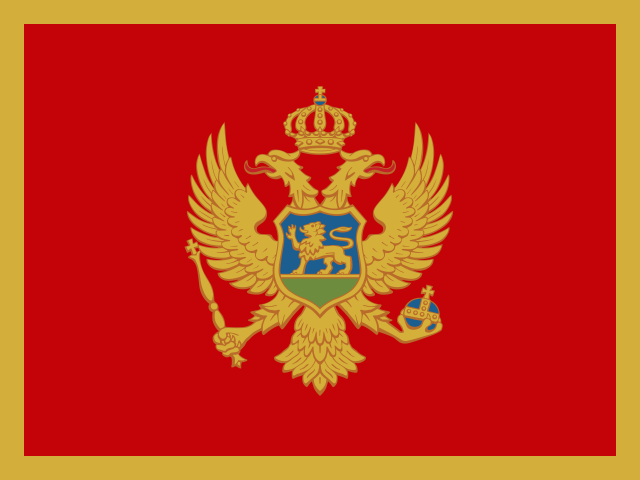 Montenegro
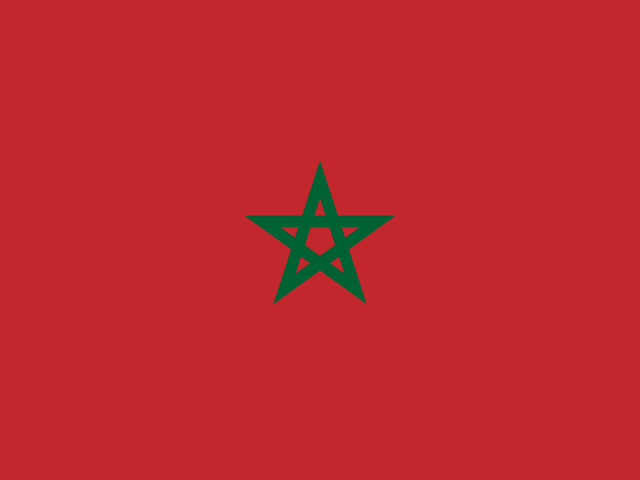 Morocco
 North Macedonia
 Norway
 Palestine
 Qatar
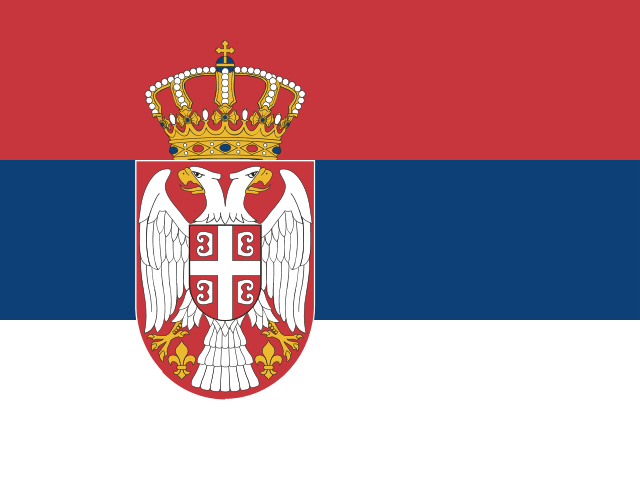 Serbia
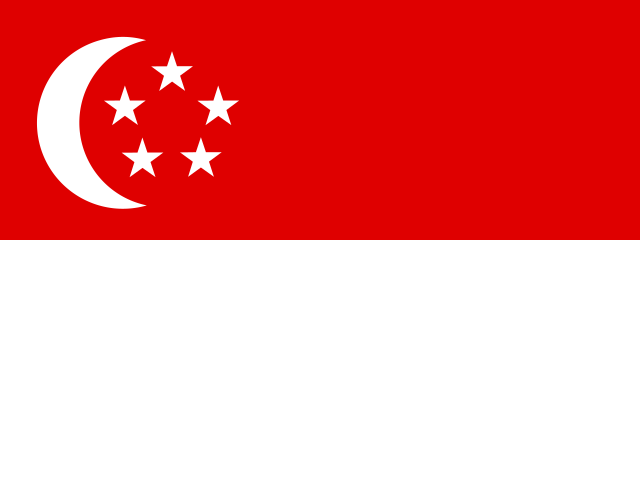 Singapore
 South Korea
 Switzerland
 Tunisia
 Ukraine
 United Arab Emirates
 United Kingdom
 Venezuela
Under the Pan-Euro-Mediterranean cumulation (PEM), EFTA (Switzerland, Norway, Iceland, Liechtenstein), Morocco, Palestine, Egypt, Tunisia and the Faroe Islands accept EUR.1, EUR-MED or an invoice declaration. For other agreements the document type is set in the agreement's origin protocol.
Frequently asked questions
What is an A.TR certificate?
A movement certificate showing that goods are in free circulation in the Türkiye–EU Customs Union. Industrial and processed agricultural goods go to the EU duty-free with it. It is not a certificate of origin.
What is the difference between A.TR and EUR.1?
A.TR proves free circulation in the Customs Union; EUR.1 proves preferential origin under an agreement. To the EU, A.TR covers industrial goods, EUR.1 covers basic agricultural products and coal and steel.
When is an invoice declaration enough instead of EUR.1?
Up to €6,000 of originating goods per shipment any exporter can make it; above €6,000 only an approved exporter.
Which document is used for steel exports to the EU?
Products under chapter 72 and HS 2701–2704 are ECSC products: EUR.1 or an invoice declaration. HS 7301–7306 are partly ECSC; check the exact code.
Do I need a certificate of origin for a country without a trade agreement?
It is not mandatory for export and gives no duty preference; it is issued if the importer or the destination country asks for it.